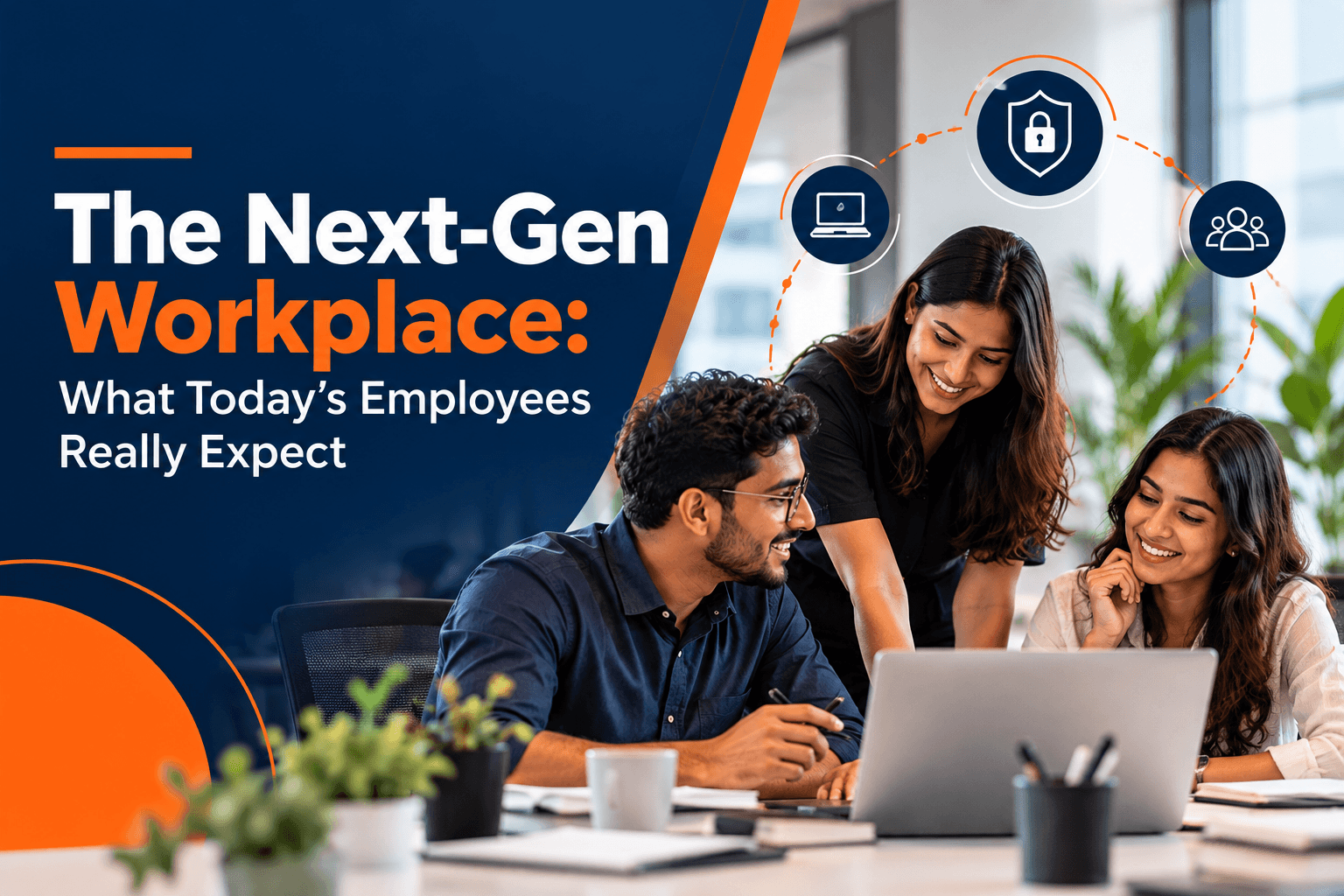
The Next-Gen Workplace: What Today's Employees Really Expect
From flexible work arrangements to career growth and psychological safety, discover how employee expectations are reshaping the modern workplace.
The Next-Gen Workplace: What Today's Employees Really Expect
A competitive salary might bring someone through the door, but what makes them want to stay? For many employees entering today's workforce, the answer goes beyond compensation. They are looking at how work fits into their lives, whether their careers are moving forward, and how organizations respond when problems arise.
For employers, understanding these expectations is an opportunity to rethink not just how work gets done, but how the workplace itself operates.
1. Flexibility Without Constant Supervision
Employees increasingly value autonomy over rigid schedules and unnecessary monitoring. While not every role allows remote work, flexibility can still mean predictable shifts, reasonable leave policies, or greater control over daily tasks.
What makes a difference?
Set clear goals instead of monitoring every small activity.
Offer flexible arrangements wherever the role permits.
Respect agreed working hours and personal time.
2. Safety That Goes Beyond Physical Hazards
Workplace safety is not limited to fire exits, equipment, and emergency drills. Employees also need to know they can report harassment, raise concerns, or admit mistakes without being intimidated.
Clear reporting procedures, fair investigations, respectful management, and practical safety training help turn workplace policies into everyday practice.
3. Growth That Goes Beyond Promotions
Not every employee can be promoted every year, but everyone can benefit from opportunities to develop.
Access to mentoring, new responsibilities, skill-building sessions, and constructive feedback helps employees see a future within an organization. Regular career conversations can also reveal ambitions that might otherwise go unnoticed.
4. Well-Being Built Into Everyday Work
Employee well-being cannot depend entirely on occasional wellness events. Everyday working conditions often matter more.
Unrealistic deadlines, unclear priorities, and constantly changing expectations can create unnecessary pressure. Managers can help by planning workloads realistically, communicating changes early, and making it easier to discuss work-related stress.
5. Leadership That Explains the “Why”
Employees are more likely to understand decisions when leaders explain the reasoning behind them. Whether a company introduces a new policy, changes a process, or restructures a team, communication matters.
Inviting questions, sharing relevant context, and acting on useful feedback can reduce uncertainty and build trust across teams.
A modern workplace isn't one that offers every perk. It's one that understands what helps people do meaningful work without compromising their safety or well-being.
As employee expectations evolve, businesses have an opportunity to move beyond outdated workplace practices. By improving flexibility, safety, development, workload management, and communication, organizations can create an environment that works better for both people and business.
Q: What matters most to employees in a modern workplace?
A: Priorities vary, but compensation, flexibility, career development, fair treatment, and a safe working environment are common considerations.
Q: How can smaller businesses adapt to changing expectations?
A: They can start with clearer communication, fair policies, regular feedback, and practical training without requiring expensive workplace perks.
Q: Why is psychological safety important?
A: It helps employees raise concerns, share ideas, and report problems without fear of humiliation or retaliation.
- #next-gen-workplace
- #employee-wellbeing
- #workplace-culture
- #psychological-safety
Found this useful? Share it with your network.
How does your workplace measure up?
Twenty questions, two minutes, a score out of 100 and your three biggest gaps.